Syntropy
PHTech Expo 2026
Location
EUI Events Center
Date
June 11 - June 12, 2026
Admission
Registration Closed
Syntropy
The Port Harcourt Tech Expo 2026, themed "Syntropy," marks a pivotal shift from the mere "Emergence" of a tech scene to the intentional engineering of a self-sustaining, high-order ecosystem. Syntropy represents the force of life and organization that counters entropy—the natural tendency toward disorder and fragmentation. For the Niger Delta, this theme serves as a strategic call to action to move beyond isolated innovation and toward a cohesive "Silicon Creek." By focusing on how individual startups, digital infrastructure and talent pipelines can synergize, the expo aims to create a technological environment that generates more economic and social energy than it consumes, transforming raw regional potential into a structured, regenerative power.
In practice, Syntropy 2026 provides a roadmap for the future through four critical pillars: resilient systems, regenerative solutions, human-AI synergy, and ethical governance. The expo will convene developers, investors and policymakers to transition from building "apps in a vacuum" to designing integrated systems that solve the region’s specific challenges in energy, agriculture, and data sovereignty. Through collaborative hackathons and high-level dialogue, the event will demonstrate how technology can act as a unifying force, ensuring that the Port Harcourt ecosystem is not just expanding in size, but evolving in complexity and maturity to become a leading engine for the global digital economy.
THE VENUE
EUI Events Center
The EUI Event Centre in Port Harcourt is a premier venue for events in Rivers State, Nigeria, offering state-of-the-art facilities and comprehensive event management services.
Ready to attend?
Join our community of business leaders for 2 days of productive sessions focused on driving innovation and enhancing productivity.
CTO

Meet at
PHTechExpo hosts conferences to bring together a group of expert thinkers and doers across a wide range of fields to help share new ideas.
Register for Event arrow_outward






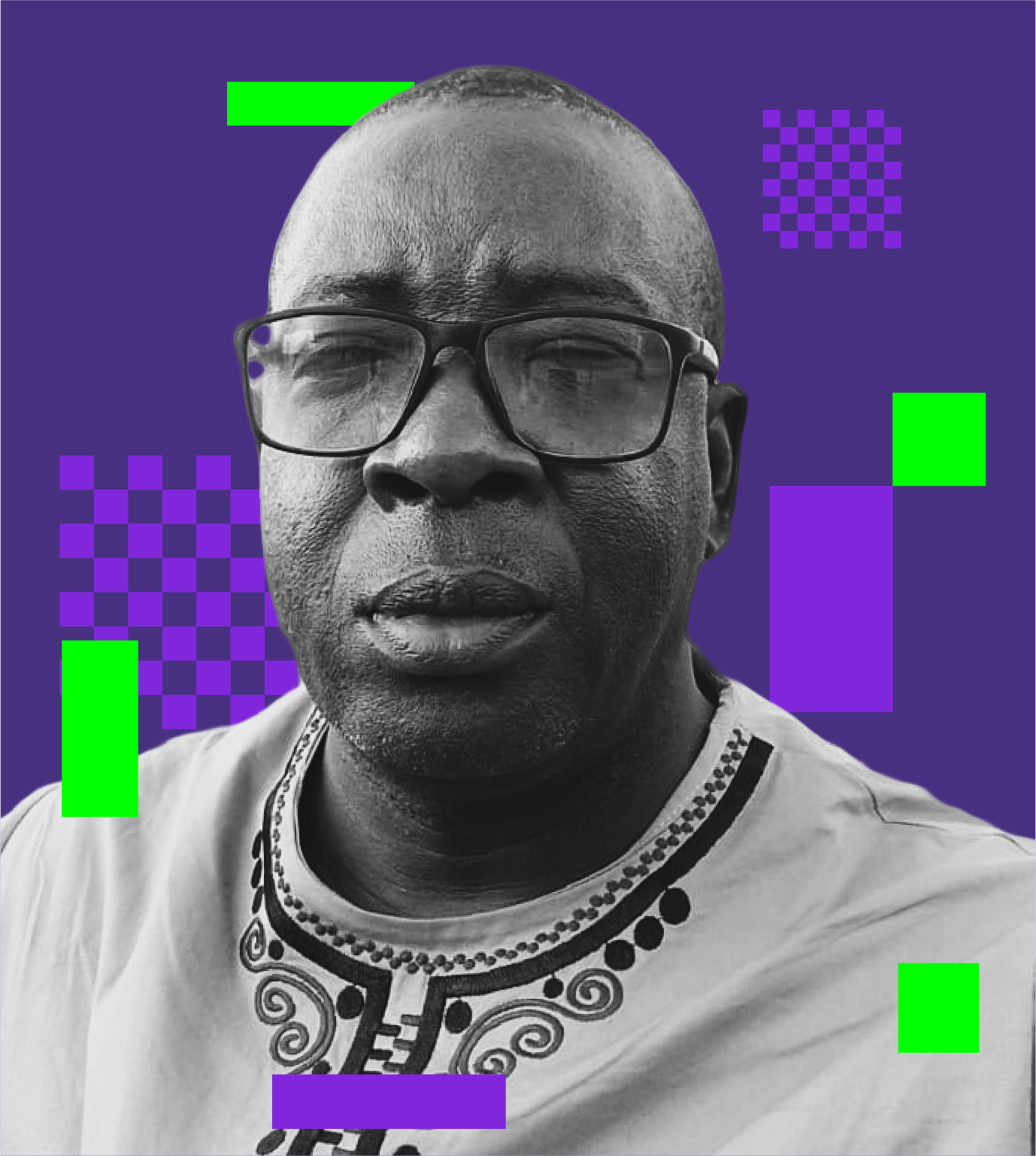
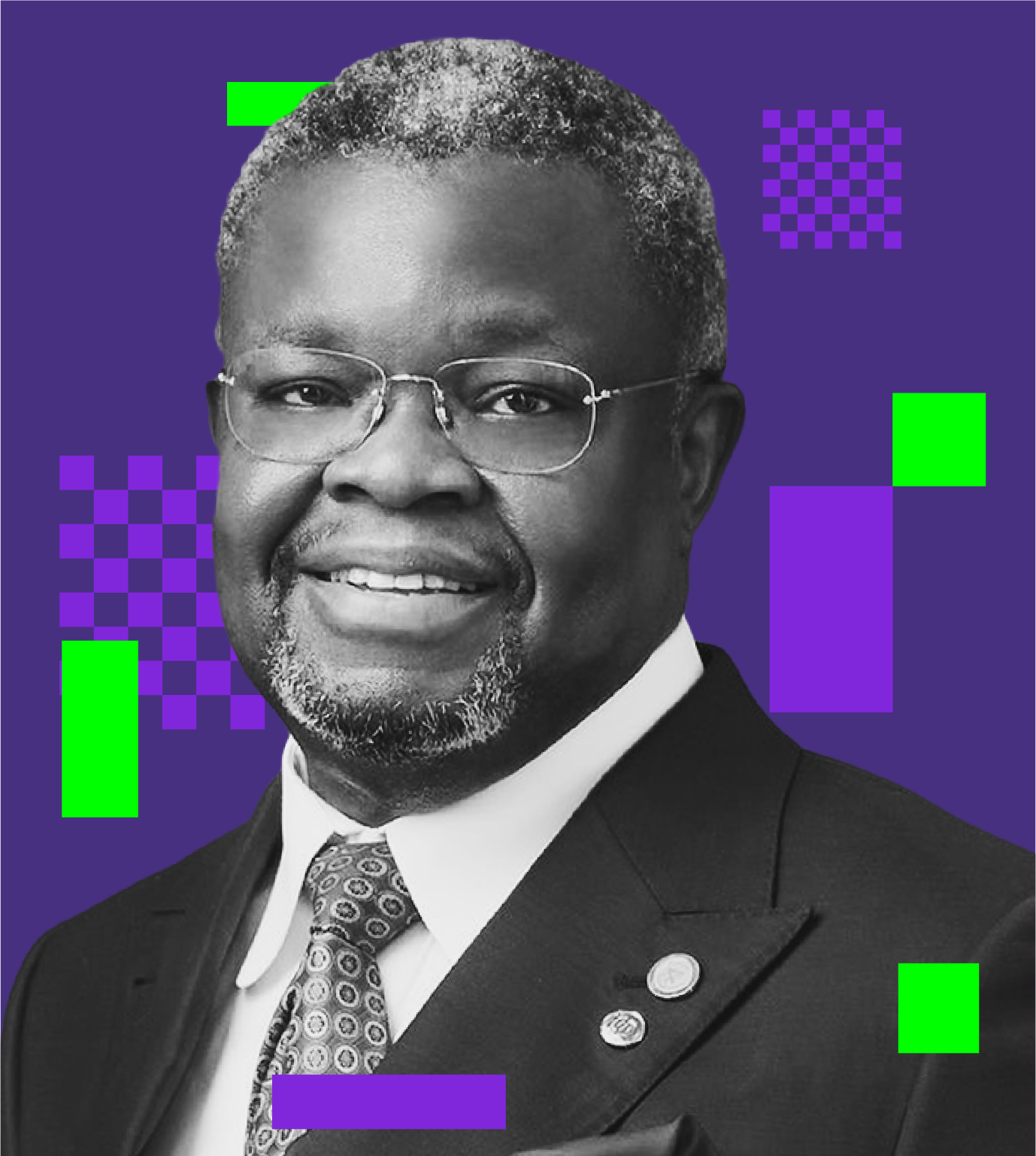
Dr. Taiwo Gbadebo Alabi
Veterinarian, Agribusiness Consultant
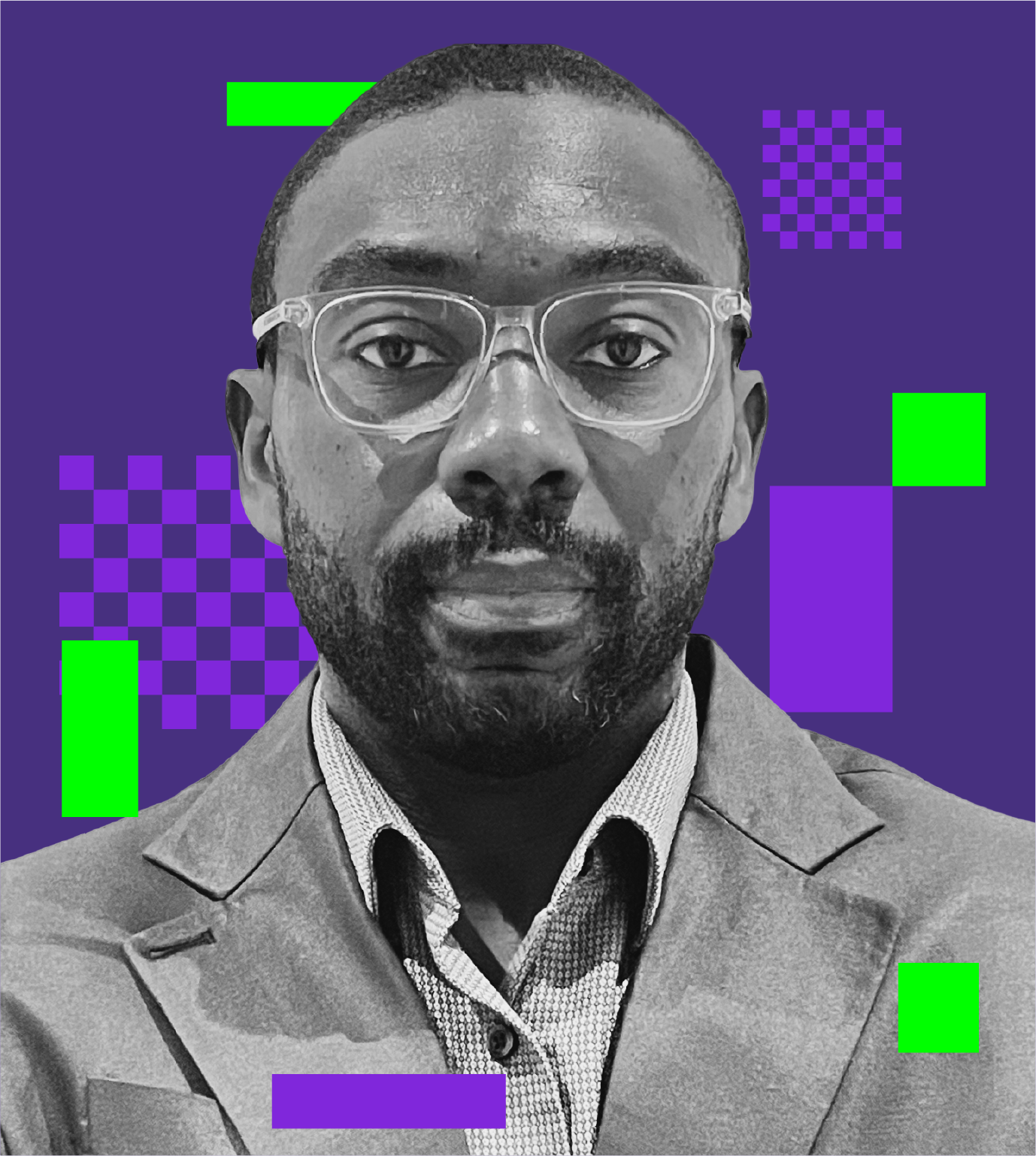
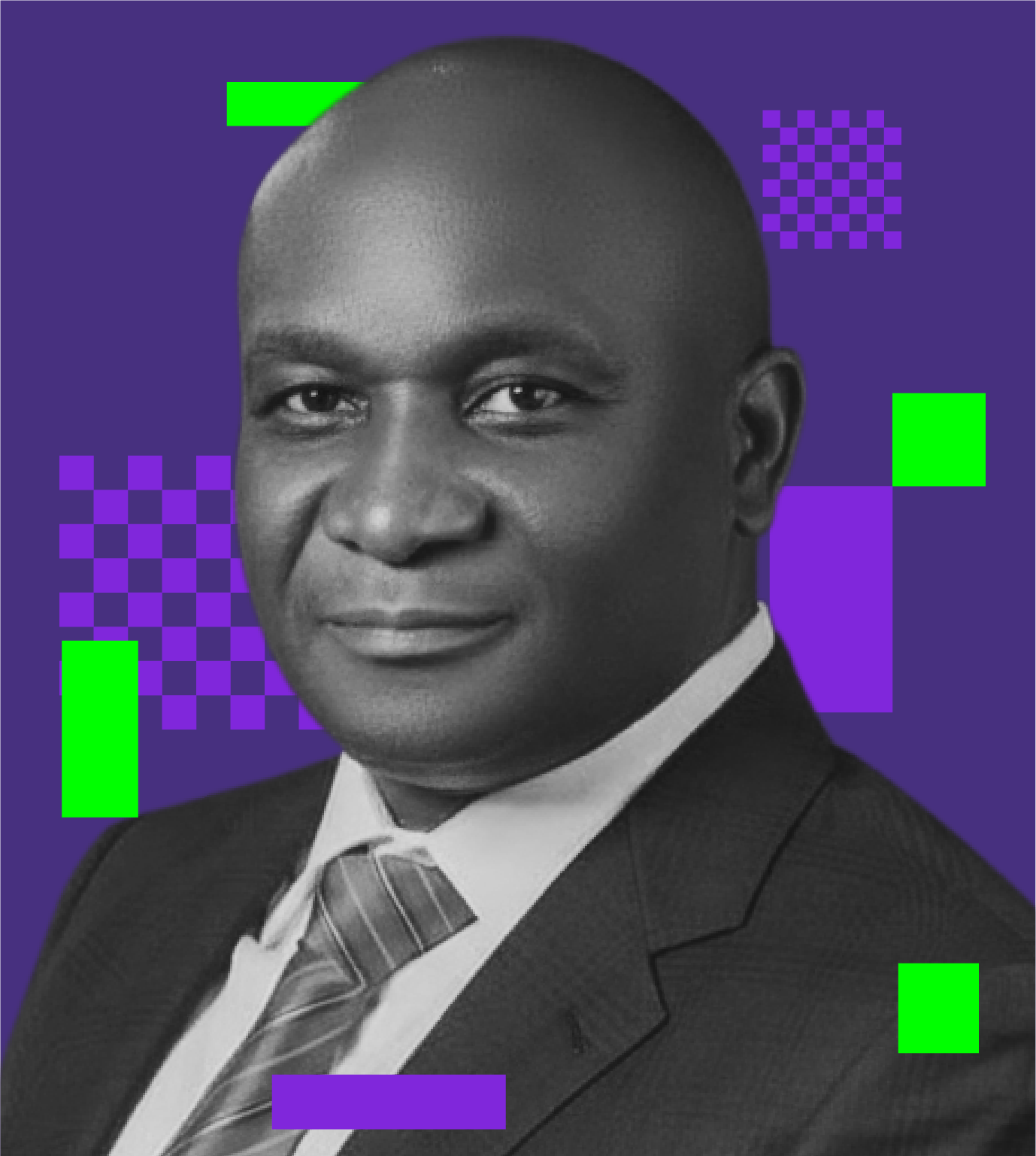
Tamunoemi Chamberlain Oyibo
Founder/CEO of Impact Driver & Tecology Energy Limited


Event schedule
Experience 2 Days, 14 Sessions, 49 Speakers & More
10:00 AM
Energizing the Hub: Navigating the Intersection of Hydrocarbons and Electrons
Speakers

Chibueze Ekeh
CEO, Ceesolar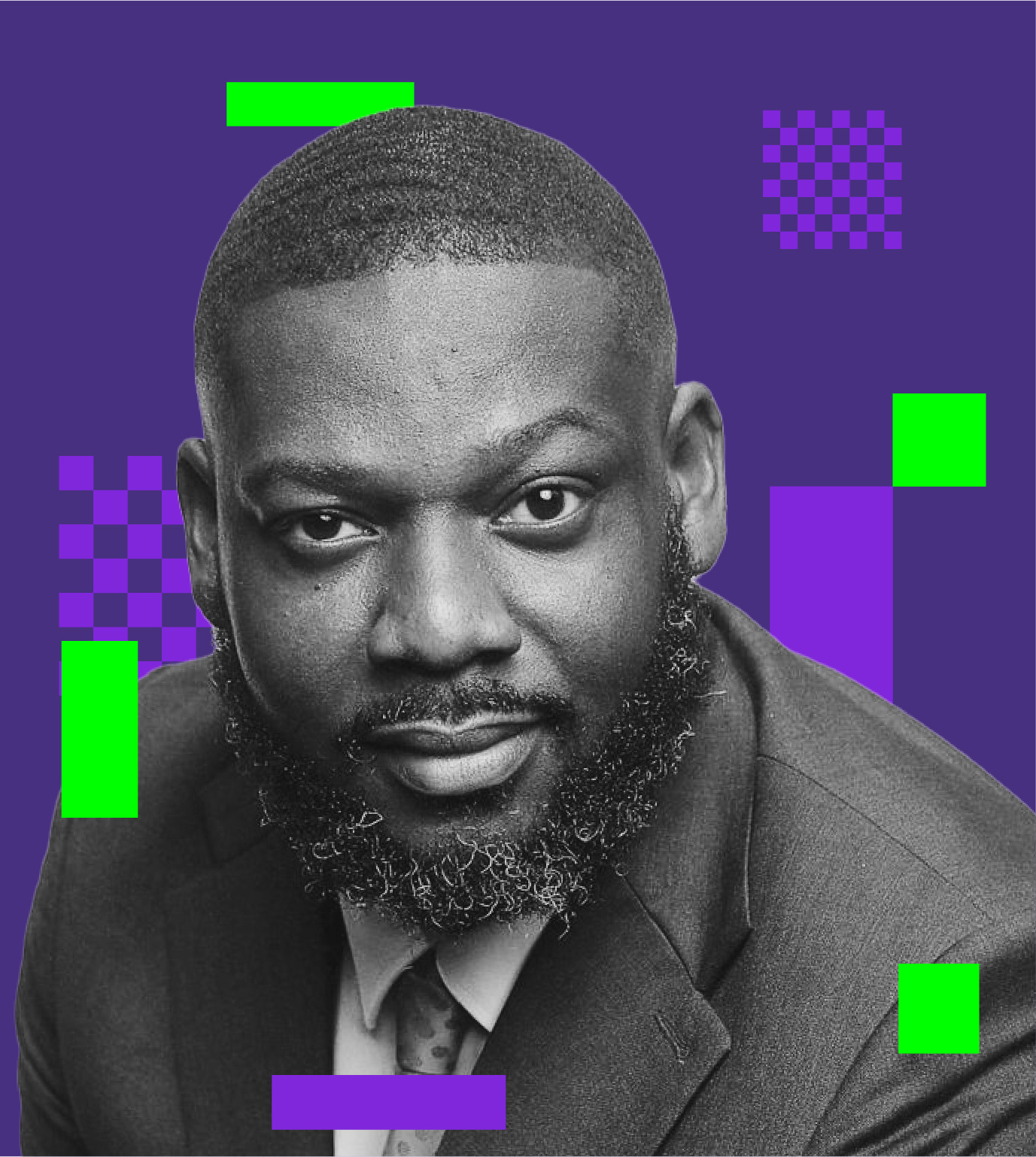
Obiora Okafor
COO, EV Automobiles Nigeria
Engr. Obinna Okeke
Chief Strategy Officer PHED
Prisca Ezuzu
CEO of Enerplaz Paygo Solutions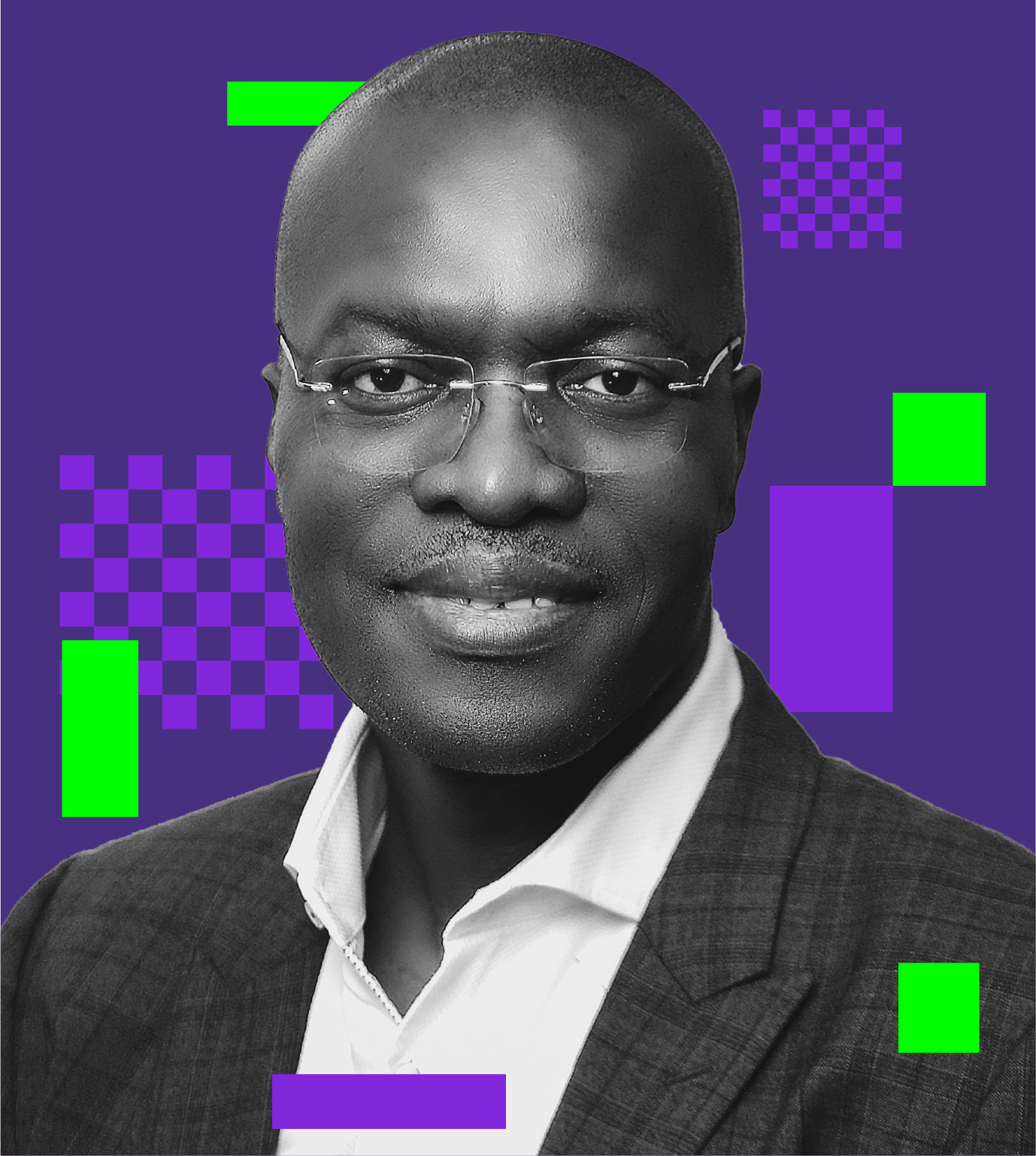
Igo Weli
VP Relations and Sustainable Development at Renaissance Africa Energy Company Limited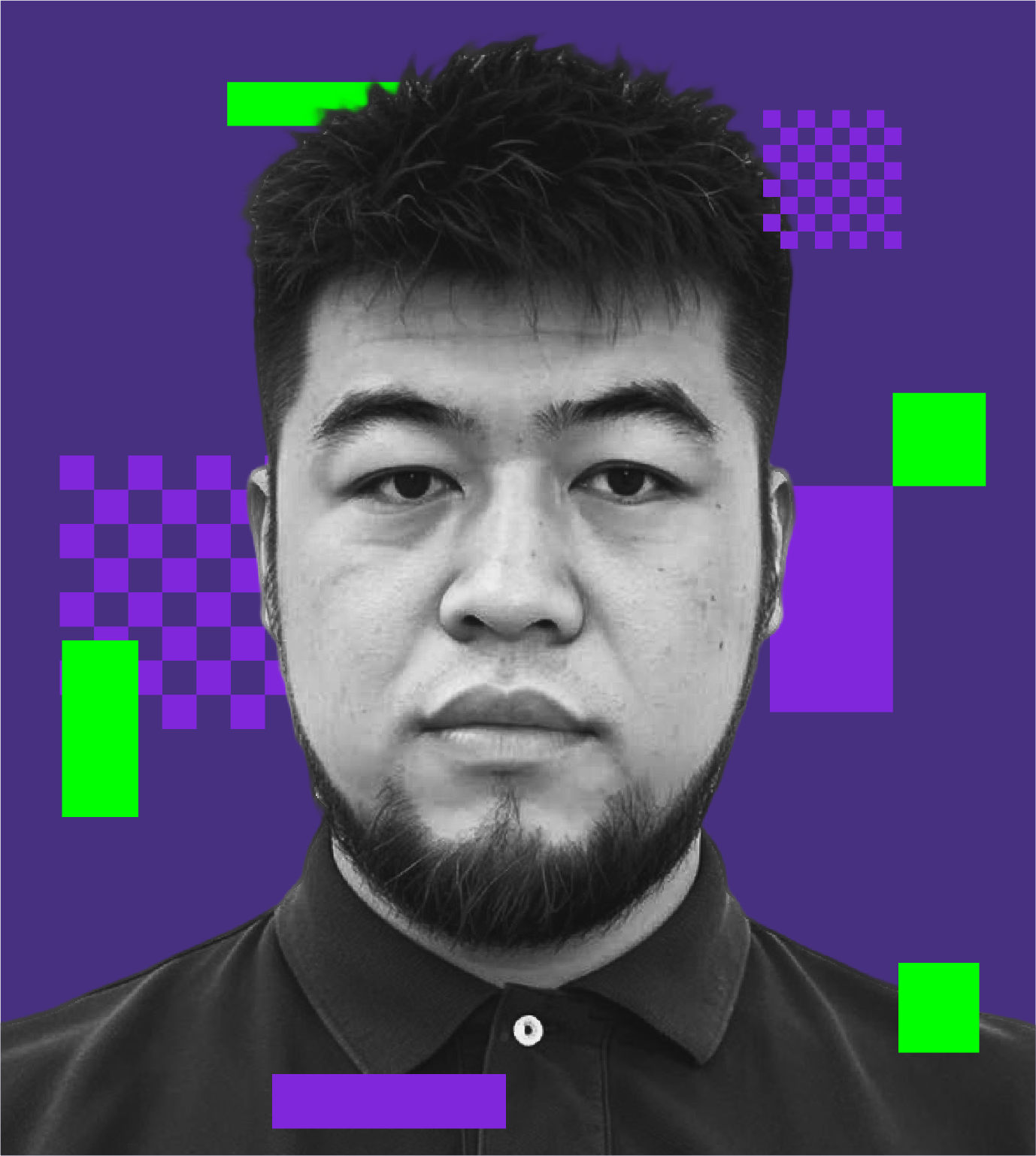
Mustopha Lee
Nigeria Branch Manager, Guang dong bevepower co ltd,Beyond the Screen: Architecting Nigeria’s Ed-Tech Ecosystem
Speakers

Eliezer Ajah
Head of Job Creation for the 3 Million Technical Talent (3MTT), Programme
Enoabasi Emah
Founder, Sheedx Africa
Sandra Owhor-Okorie
Founder, Skillphore
Ominini Adah
communication strategistSyntropy In Practice: Building Collaborative Intelligence Ecosystems Across The Niger Delta.
Speakers
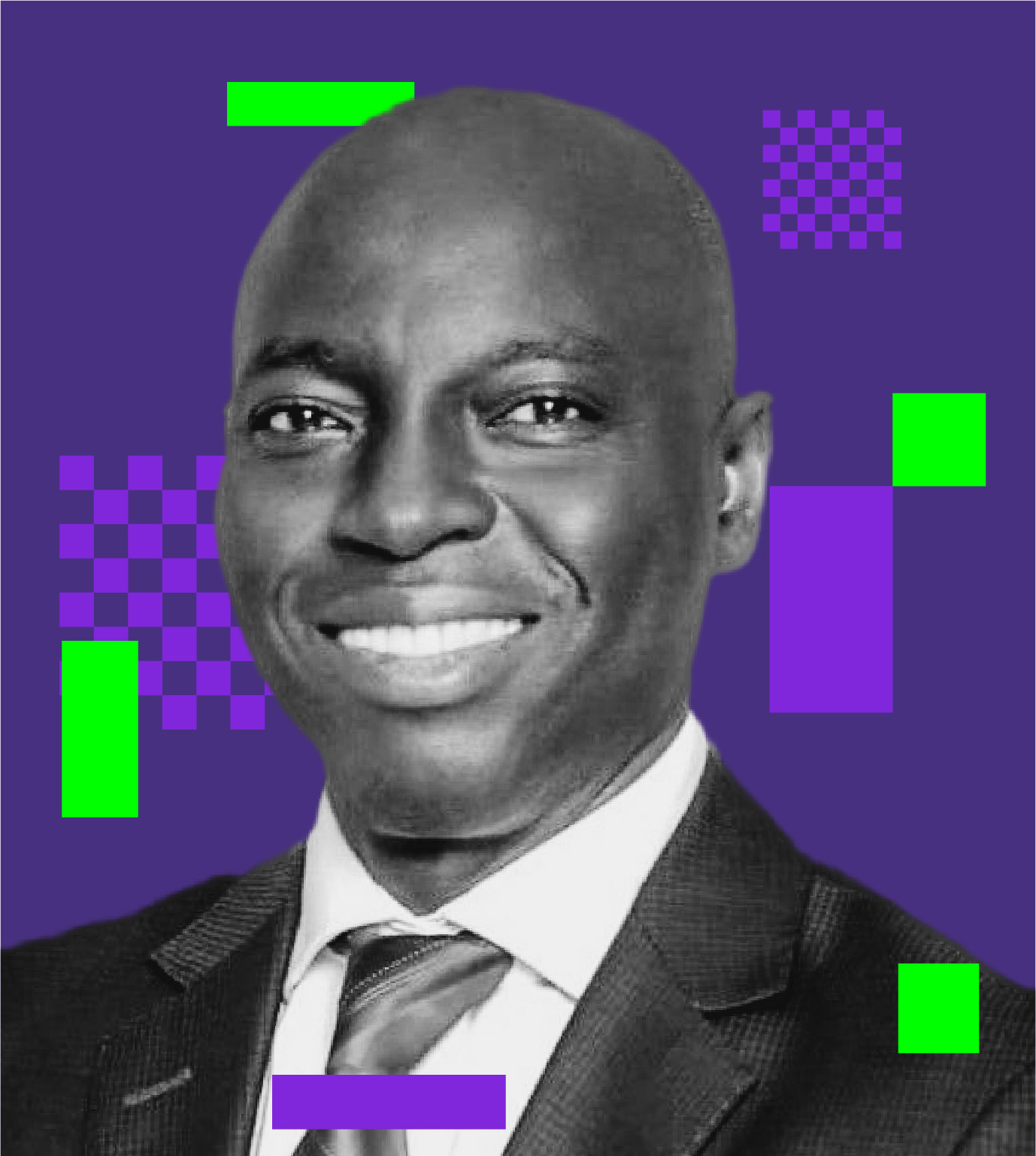
Chuks Okpaka, FNCS
CEO, Manifold Enterprise Solutions (MES)CREATIVE ECONOMY
Speakers

Juliet David-West II
Founder & Creative Director Art In The Garden City
Somto Ajuluchukwu
Founder, Vortex Corp
Rita Anwiri Chindah
lecturer at Rivers State University
Rita Anwiri Chindah
lecturer at Rivers State University
Kalada Briggs
Founder of Pixpectiv Africa Limited
Innocent Chikezie
ArtistFireside Chat
Speakers
 web_phtechexpo2026.jpg)
Dr Chinonso Egemba ( Aproko Doctor )
Founder, Aproko Doctor Global
Dr. Robinson Tombari Sibe, FNSE
CEO, Forensic Examiner of Digital Footprints Nig. Ltd
Igo Weli
VP Relations and Sustainable Development at Renaissance Africa Energy Company Limited
Obiora Okafor
COO, EV Automobiles Nigeria
Tamunoemi Chamberlain Oyibo
Founder/CEO of Impact Driver & Tecology Energy LimitedCYBERSECURITY
.
Speakers
Dr. Robinson Tombari Sibe, FNSE
CEO, Forensic Examiner of Digital Footprints Nig. Ltd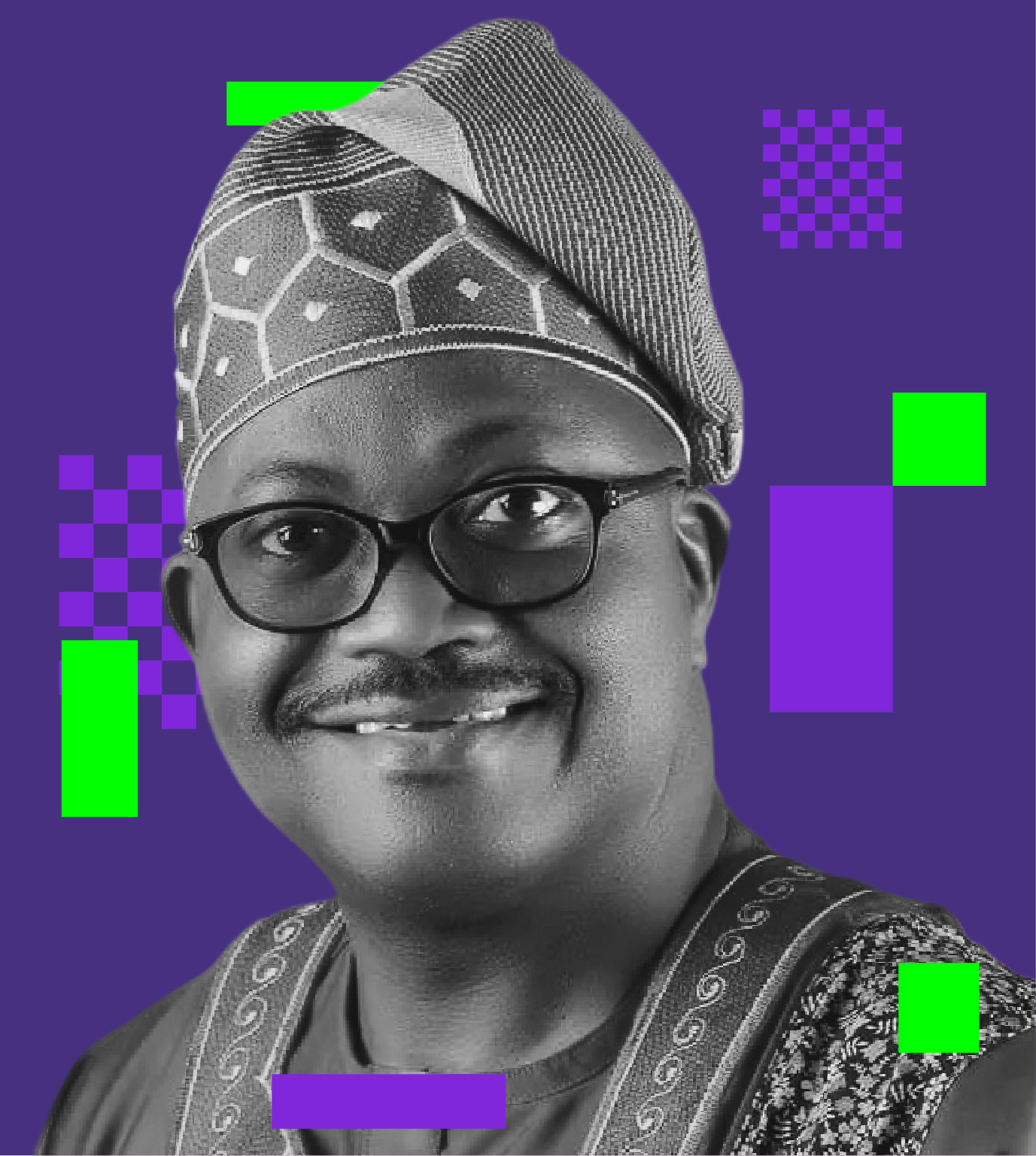
Dr. Jimson Olufuye
Principal Consultant, Kontemporary Konsulting Ltd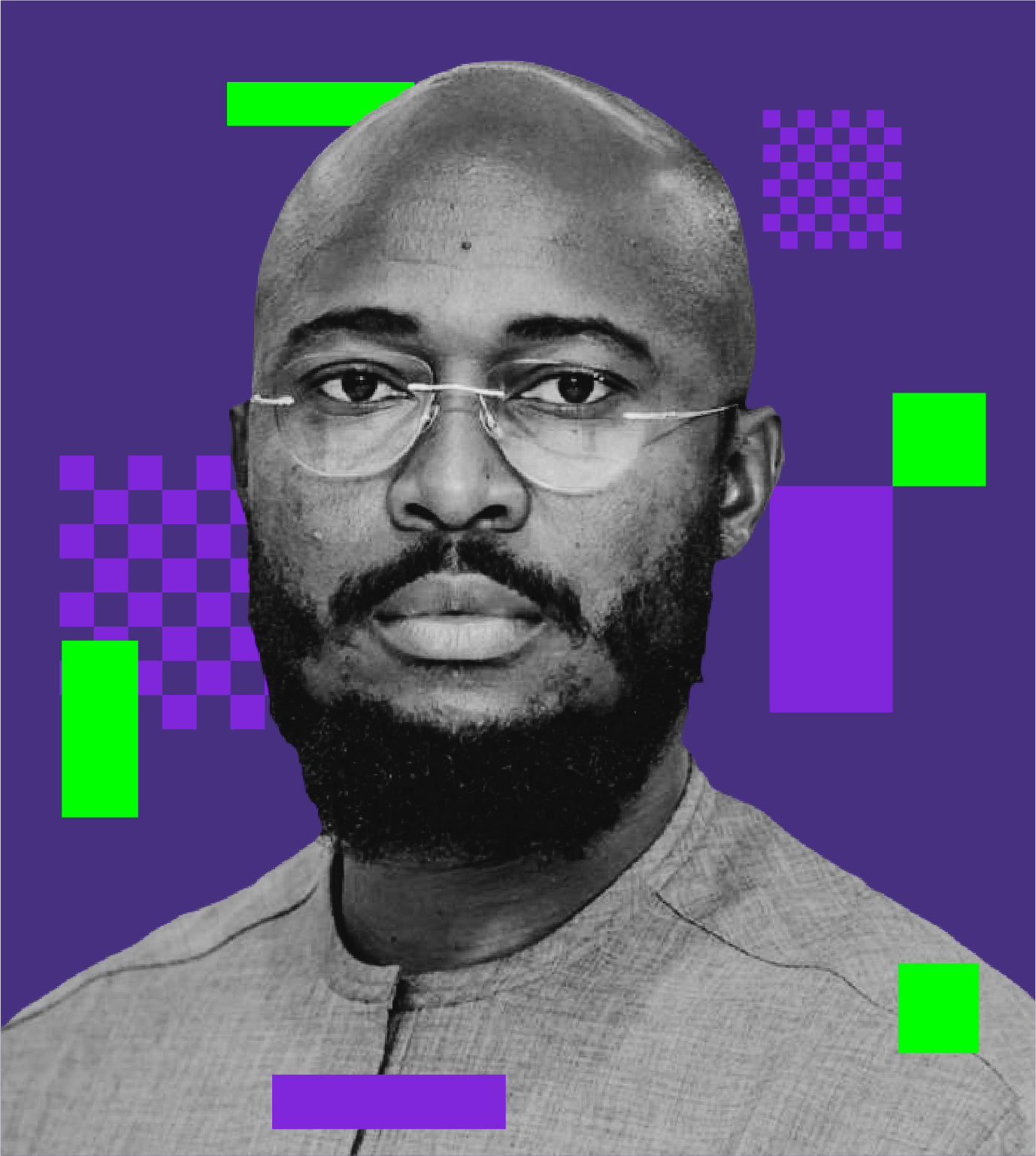
Onwo Lewis C.
foundert, Cybasure Limited.Closing the Loop: Circular Agritech for Niger Delta’s Food Security.
Speakers

Ucheyeshua Chugbo
CEO, TokenStocks
Dr. Taiwo Gbadebo Alabi
Veterinarian, Agribusiness ConsultantFINTECH SESSION: The Digital & Ethical Finance Frontier: Accelerating SMEs in a Tech-Driven Nigeria
Speakers

Eneyi Obi
Global Chief Marketing Officer for the Rise Group
Eneyi Obi
Global Chief Marketing Officer for the Rise Group
Chinedu Amah
Partnership Director, Zipline Nigeria.
Edevbie Vuaye
Chief Information Technology Officer EASYPAY International Services Limited.
Joshua Chibueze
Co-founder, Piggyvest.MEDTECH SESSION Disrupting Nigeria’s Primary Healthcare Crisis: Technology as a Catalyst for Primary Care Reform
Speakers
Dr Chinonso Egemba ( Aproko Doctor )
Founder, Aproko Doctor Global
Dr Chinweuba Nwugha
Digital Health Strategist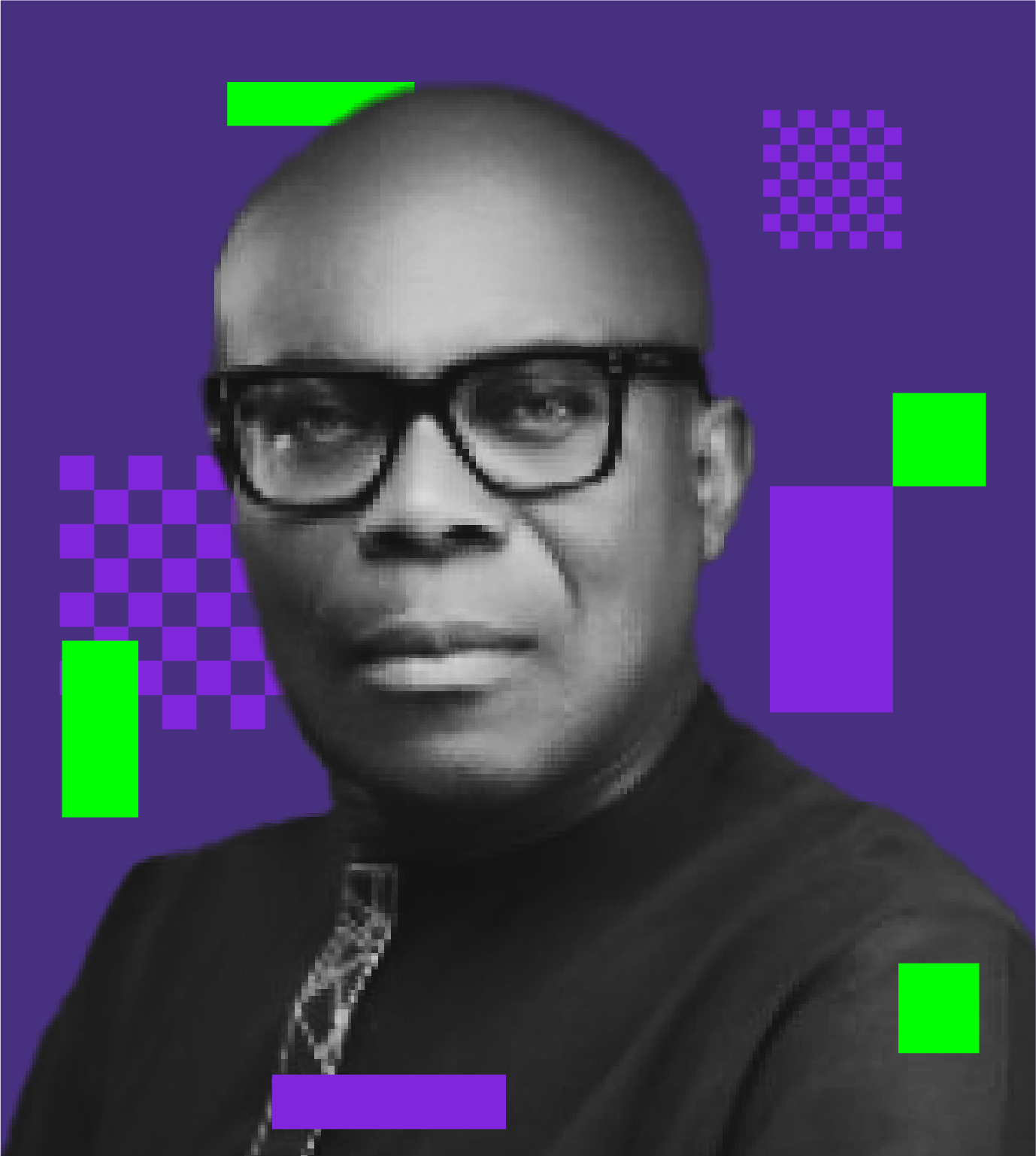
Dr Chituru Adele
Executive secretary of the River State Primary Health Care Management Board
Dr Chituru Adele
Executive secretary of the River State Primary Health Care Management BoardLAWTECH SESSION : Law In The Digital Age: Balancing Innovation With Accountability
Speakers
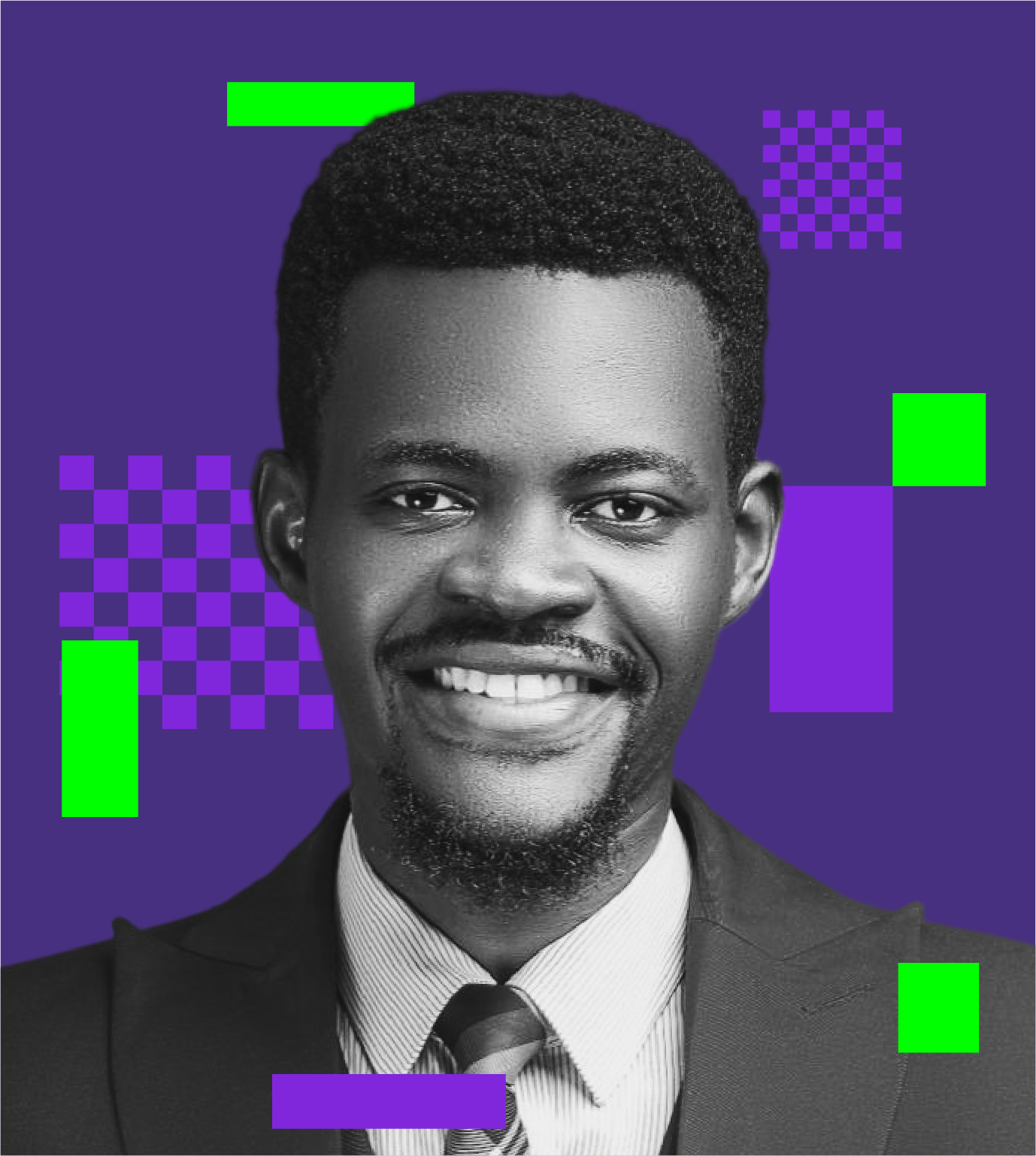
Smart Okpara, Esq.
Associate, Aluko & Oyebode
Uchechi Ofoegbu
Legal Counsel, Nigerian Revenue Service
Uchechi Ofoegbu
Legal Counsel, Nigerian Revenue Service
Senator Ihenyen
Lead Partner, Infusion LawyersSPECIAL SESSION : Advancing Digital Transformation for Sustainable Development: Aligning South-South ICT Strategies with WSIS+20, the Global Digital Compact, SDGs 2030, and Africa 2063 Agenda
Pitch with Precision: Communicating Your Tech Solution to Non-Technical Audiences
Speakers

Joyce Daniels (Queen of Talk)
Founder, Joyce Daniels (Compere)Job Market Readiness
Speakers

Inyene Ikpe
Director of Programs, Genesys Tech HubStaying Relevant :How to Future- Proof Your Career Before Someone Else Does It For You
Speakers
Eliezer Ajah
Head of Job Creation for the 3 Million Technical Talent (3MTT), ProgrammeMeet our Sponsors and Partners
We ‘re proud to work with our trusted partners who help make this event possible
Become a Sponsor